NVUSD creates school district’s first AI policy
‘We can leverage this technology if we use it conscientiously’
Napa Valley Unified School District Board trustees approved a policy for artificial intelligence, aka AI, at their monthly meeting on Thursday.
AI policies are becoming increasingly common in school districts as they hurry to set rules for classroom use of the technology, which has quickly become a part of daily life for students.
This first pass at a policy stays broad, reading as a moral guide for AI use rather than hard policy. The document reassures staff and faculty that AI won’t take their jobs, stating, “AI should be used as a tool to augment and support, rather than replace, staff in the performance of their duties and responsibilities.” Another requirement is that student use of AI must “support learning,” but must not “[replace] a student’s original thinking.”
On Thursday, the policy passed 6-1, with trustee Cindy Watter voting against it, calling artificial intelligence “offensive.” Watter told the room that having a policy normalizes the use of artificial intelligence tools in the classroom, something that makes her wary.
“We’re so sure [AI] won’t replace human beings, but the whole point of it is to replace human beings. It’s obviously going to be a problem,” she said, recalling her 25-year career as an English teacher in Napa schools.
For decades, said Watter, advocates for tech in schools argued that “all of the new tech applications and instruments and machines are going to improve student performance tremendously. It didn’t. But they’re back because, ‘This time, it’ll be better.’”
After the meeting, Watter told the Napa County Times: “One thing we learned through the pandemic is kids need teachers.”
For the year-plus of lockdown, Zoom classes and Google Classroom lessons dominated education. Since then, Adobe for Education, ChatGPT, Claude and more applications have been added to the list of technologies teachers and students have to learn ,in addition to their studies.
A Brookings Institute study published in January looks at the impacts of AI use in schools, including its dangers and the areas it can be beneficial. The rate at which AI is proliferating in homes and schools right now does more damage than good, according to the study. But, it says well articulated guardrails can help.
“It’s important to not be afraid of this technology,” said trustee John Henry Martin before approving the policy at Thursday night’s board meeting. “We can leverage this technology if we use it conscientiously.”
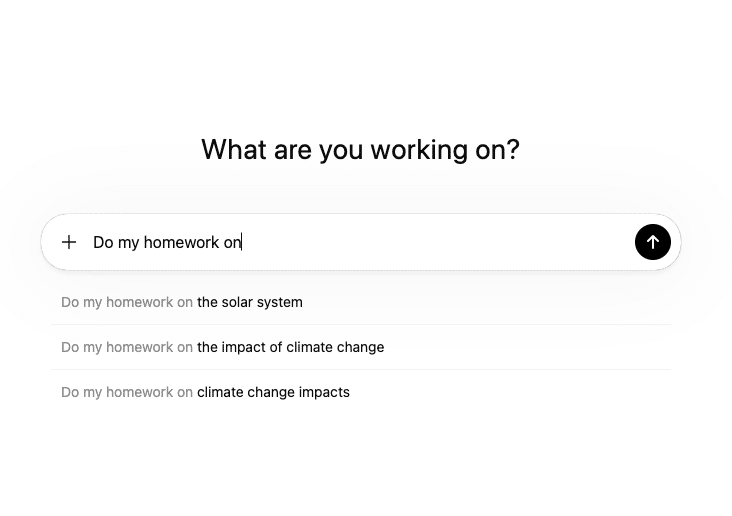
Brielle Sacatani, a junior at American Canyon High School, said she doesn’t use AI in school, but sometimes uses it for homework to help study a subject.
“There are a handful of teachers who use AI to write emails, lesson plans or agendas,” she said. Sacatani felt that AI use should depend on the student, but each one should learn “ethical, sustainable and art usage of AI without completely relying on it.”
Ultimately, Watter has accepted that “AI is here. It’s being used” — despite the fact that AI models were built by effectively plagiarizing the work of others without consequence, she said.
“Now, we’re doing an academic integrity policy for plagiarism,” sighed Watter. “I’m tired of enriching the industry.”