Napa County Master Gardeners: When life gives you lemons, count your lucky stars
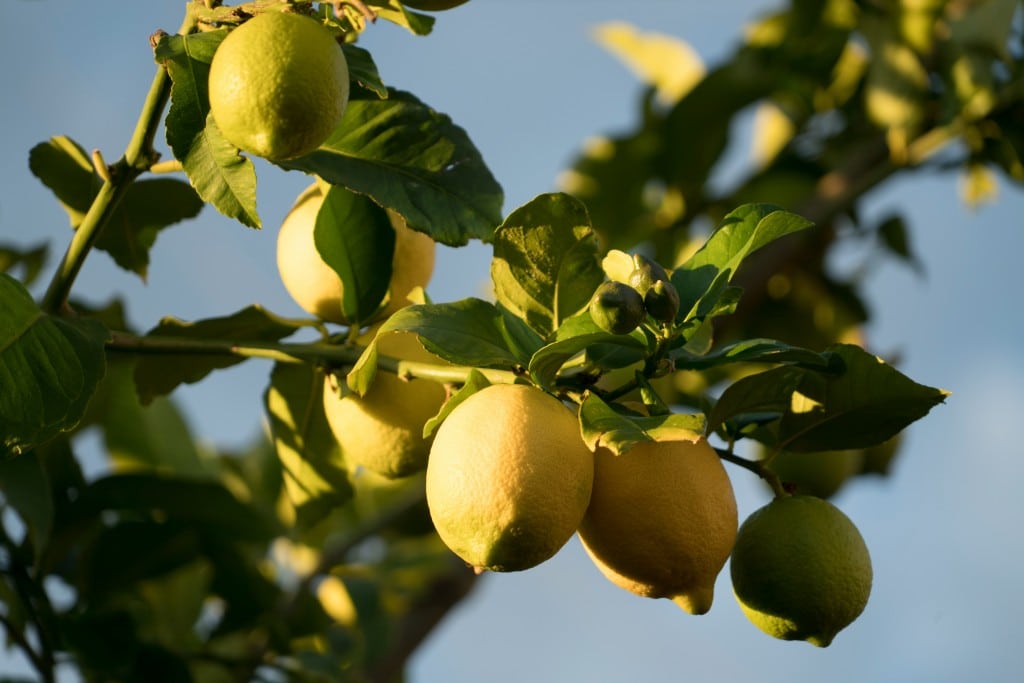
Let’s talk about citrus. It’s a wonderful genus, a prolific producer of fruits we know and love. Oranges, limes, grapefruits, mandarins. But also citrons, kumquats, finger limes, pomelos, yuzu and calamondins. And, of course, lemons.
You’ve heard the phrase, “When life gives you lemons, make lemonade.” As if lemons are just a default bad thing life throws at you. But honestly? Lemons are all kinds of amazing.
Their history stretches deep into time. There’s archaeological and genetic evidence suggesting that lemons have been cultivated for over 4,000 years.
Lemons likely originated in northeastern India as a natural cross between a citron and a sour orange. Given that research suggests that citrus lineage could go back 8 million years, lemons are shockingly new on the scene. Data suggest that lemons were being cultivated in Persia (modern-day Iran, Iraq and Egypt) by the 10th century. They arrived in the Mediterranean around 200 A.D. and eventually made it to the Americas in 1493, a legacy of colonialism.
The citrus family tree is messy. The lemon seeds that arrived in North America came by boat via the Canary Islands, from lemon trees introduced to the Canaries by the Arabs. The fact that we have so many types of citrus and so many reliable varieties is impressive when you consider that citrus does not grow true from seed. If you plant seeds from your neighbor’s wonderful lemons, you will not get a tree with the same fruit. Without human intervention and care, lemons would have certainly faded into obscurity.
Almost all the citrus we know today came from just three ancestral species: citrons, which are large and thick-rinded with little flesh; mandarins, which are sweet and easy to peel; and pomelos, which are huge, sweet-to-bitter and very seedy.
From there:
- Sour orange = mandarin × pomelo
- Grapefruit = pomelo × sweet orange (itself a hybrid of mandarin and pomelo)
- Lemons = citron × sour orange
Tangelos, tangors, clementines and yuzu are all second, third or fourth-generation crosses. And
limes are a mess. They aren’t even true citrus but close relatives that got pulled into the family drama.
The Meyer lemon, everyone’s favorite, is known for its sweet, floral notes. As you may now suspect, it is a hybrid. Many people are surprised to learn that the Meyer lemon is botanically closer to a sour mandarin than a true lemon. While its exact parentage can’t be confirmed with existing technology, genetic analysis suggests that the Meyer may be a cross between a citron and a mandarin/pomelo hybrid.
Frank Meyer, a plant explorer for the U.S. Department of Agriculture, discovered the fruit in China in 1908. The Meyer lemon was improved and deemed a virus-free tree in the early 1950s. These days all Meyer lemons are “improved” whether the plant tag includes the word or not. So they are delicious, yes. But let’s be real: Meyers are barely lemons.
Most citrus varieties follow a seasonal rhythm, bursting into fragrant bloom in spring, then ripening their fruit in one big harvest. But lemons play by their own rules. Varieties like Eureka, Lisbon and Meyer will flower and fruit almost year-round in Napa Valley, producing blossoms, green fruit and ripe lemons all at once.
This everbearing habit comes from their origins in warm, frost-free regions without a defined dry season, so they never developed the need for a dormant period that other citrus require. While some limes, calamondins and a few mandarins may occasionally bloom out of season, lemons are the most reliable for continuous harvests.
In the right climate, you can pluck a fresh lemon for your tea in January, zest lemons for a marinade in summer and still see new flowers opening in autumn. It’s one of the reasons the lemon is such a beloved tree or shrub. Its beauty, fragrance and fruit are on display all year long.
So, no, life doesn’t just give us lemons. In fact, life probably only gave us lemons once. The rest is the result of human curiosity, breeding, grafting, trade, migration and intention. The saying should be, “When life gives you lemons, count your lucky stars and thank the humans who came before you.”
Tree Walk: Join UC Master Gardeners of Napa County for a docent-led tree walk of Fuller Park in Napa on Friday, Sept. 12, from 10 to 11:30 a.m. Historic Fuller Park is an arboretum with many exotic and native trees planted over the past 120 years. Meet at the corner of Oak and Jefferson Streets in Napa. Registration is required for each participant.
Fall Faire: Join UC Master Gardeners of Napa County for the annual Fall Faire “where science fair meets carnival” on Saturday, Sept. 20, from 1 to 4 p.m., at UC Cooperative Extension, 1710 Soscol Ave. Napa. Enjoy kid-friendly demonstrations and talks range from dehydrating produce to designing a pollinator-friendly garden, along with plenty of gardening advice. A plant sale will feature ornamental plants and seven varieties of winter vegetables, with all proceeds supporting Master Gardener programs. Event entry is free.
Become a Master Gardener Volunteer: UC Master Gardeners of Napa County is now accepting applications for the Class of 2026. Visit napamg.ucanr.edu for more information and register to attend a mandatory information session for applicants. Applications are due by 5 p.m. on Sept. 25.
Help Desk: The Master Gardener Help Desk is available to answer your garden questions on Mondays and Fridays from 10 a.m. until 1 p.m. at the UC Cooperative Extension Office, 1710 Soscol Ave., Suite 4, Napa. Or send your questions to mastergardeners@countyofnapa.org. Include your name, address, phone number and a brief description of the problem.