Tips for tomato garden success
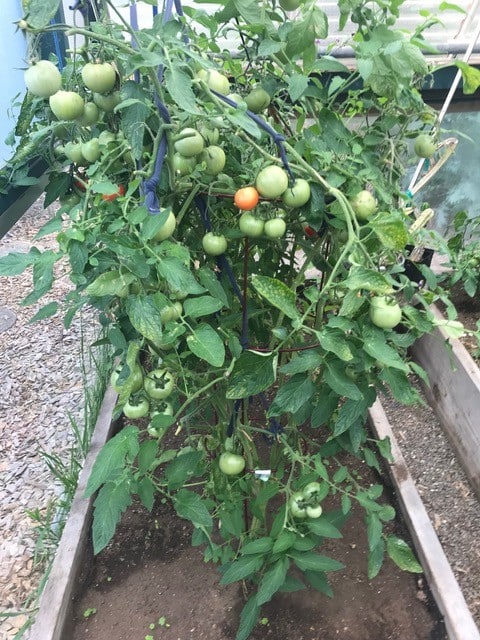
For many people, spring begins with the UC Master Gardeners of Napa County tomato sale, which will be held on Saturday, April 11, this year. Just as the tomato sale signals spring, a ripe tomato is practically the trademark of summer. Many of us can’t wait to plunk our plants in the ground so we can enjoy our harvest as soon as possible.
I don’t blame you: the idea of eating a just-picked, succulent tomato sandwich over the kitchen sink is certainly alluring. However, you would be making a mistake if you put your tomato plants in the ground too soon. The soil isn’t warm enough. Wait a few weeks. You won’t be sorry.
If you want good advice for successful tomato growing, consult the people who grow the best ones. The UC Master Gardeners of Napa County gave me some tips. Some of the recommendations sounded almost supernatural, but they are all based on science.
The first time I planted a tomato start, I put it in the ground with enough soil to cover the roots, gave it some water, and returned to find it keeled over, quite dead. Here is what I ought to have done: I should have stripped off most of the leaves, leaving a topknot, and buried the stem on a slant.
This method encourages the seedling to send out adventitious roots from the knobs on the stem. It gives the plant a firmer foundation as well as more roots to scoop up water and other nutrients.
Several UC Master Gardeners suggested this technique, but Andrea Kulkarni added that I should bury a fish head in the soil nearby. It’s not an outlandish suggestion: decomposing fish heads supply nitrogen, phosphorus and calcium, which support leafy growth, root development and fruit production. Calcium also helps prevent blossom end rot. Wanda Hudspeth and other UC Master Gardeners suggested using calcium as a soil amendment in your tomato bed.
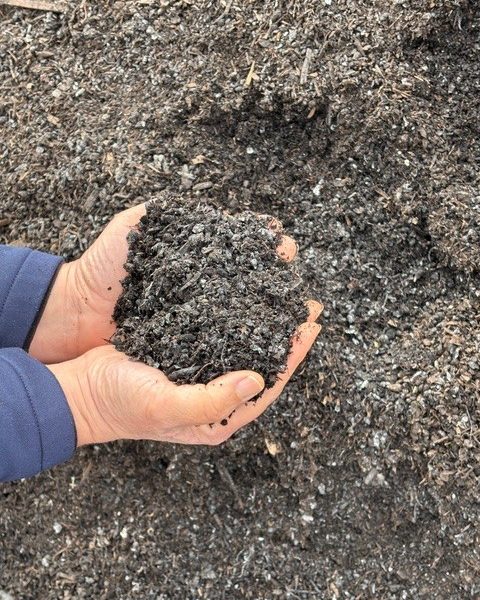
Your tomato plant needs good soil. UC Master Gardener and Tomato King Richard Bruhn left his earthly state a few years ago, but he remains immortal to his fellow gardeners for his generous spirit and his bumper crops of gigantic tomatoes. Bruhn amended his garden soil with oyster shells, compost and magnesium, and he certainly got great results. He also extolled the virtues of mulch to keep roots cool and prevent water evaporation. He continued to amend his soil throughout the growing season, which around here can stretch into November.
Aileen Carroll, a Napa County Master Gardener who works in a local nursery, said to wait to plant until at least April 15. If the weather is still cold, wait until it warms up. As soon as your plant is tall enough, remove the leaves from the first 12 to 18 inches (near the base) to prevent harmful fungi from using the leaves as a ladder.
Carroll advises having a plan for how you will support your tomatoes; some can grow nine feet tall. Place a cage around the plant as soon as you put it in the ground.
The site itself needs full sun. I plant my tomatoes in front of a south-facing wall, and the heat that radiates off the wall helps my tomatoes stay warm even on a foggy day.
If you plant your seedling in a container, that container should hold at least 15 gallons of soil. A half wine barrel holds 15.5 gallons of soil. Container tomatoes need to be watered more frequently than tomatoes planted in ground. When you water, don’t wet the leaves or fruit; aim for the roots. Drops of water can act as a prism and magnify sunlight, burning the plant. Water on leaves can also encourage fungus.
Tomatoes like generous and regular watering initially, but once they’re established they need less. Some UC Master Gardeners practice dry farming. Once the plant starts producing fruit, they stop watering it, convinced that withholding water concentrates the flavor. If dry farming is too extreme for you, UC Master Gardener Cathryn Baskin suggests at least reducing the water once fruit appears. Cathryn also recommends eating your tomatoes in the garden.
Growing marigolds, nasturtiums and basil—so-called companion plants—near your tomatoes can attract beneficial insects and repel pests such as aphids and thrips. I tried that technique three years ago and I had no pest problems.
To encourage pollination, shake the tomato blossoms when they appear to move the pollen around. I thought this technique sounded silly, but it made a difference. I had many more tomatoes.
For more tomato advice, visit the UC Master Gardeners of Napa County website and click on “Resources,” then on “Growing Tomatoes in Napa County.”
Last November I walked past a yard with a luscious display of tiny red tomatoes. I confess I sampled a few. Once again, I thought how lucky we are to live in a place where we can grow so much of own food year-round.
Workshop: Join UC Master Gardeners of Napa County for a workshop on “Worm or Backyard Composting” on Saturday, March 28, from 10 a.m. to noon, at Skyline Wilderness Park in Napa. Park entrance fee is waived for registered workshop attendees. Get more information and a registration link here.
Workshop: Join UC Master Gardeners of Napa County for a workshop on “How to Plan Planting a Vineyard” on Saturday, March 28, from 9 a.m. to noon. Learn how to evaluate your site, prepare the land and plan the layout. Register here to receive the workshop location.
Library Talk: Join UC Master Gardeners of Napa County and Napa County Library for a talk on “Perennial Edibles” on Thursday, April 2, from 6 to 7 p.m. via Zoom. Discover how to add edible plants to you garden for ongoing bounty. Register to get the Zoom link.
Help Desk: The Master Gardener Help Desk is available to answer your garden questions. Use our online Plant Problem Help Form or email us at mastergardeners@countyofnapa.org. Include your name, address, phone number and a brief description of the problem. You can also visit us in person on Mondays and Fridays from 10 a.m. until 1 p.m. at the UC Cooperative Extension Office, 1710 Soscol Ave., Suite 4, Napa.