Napa supervisors approve vineyard wine tastings
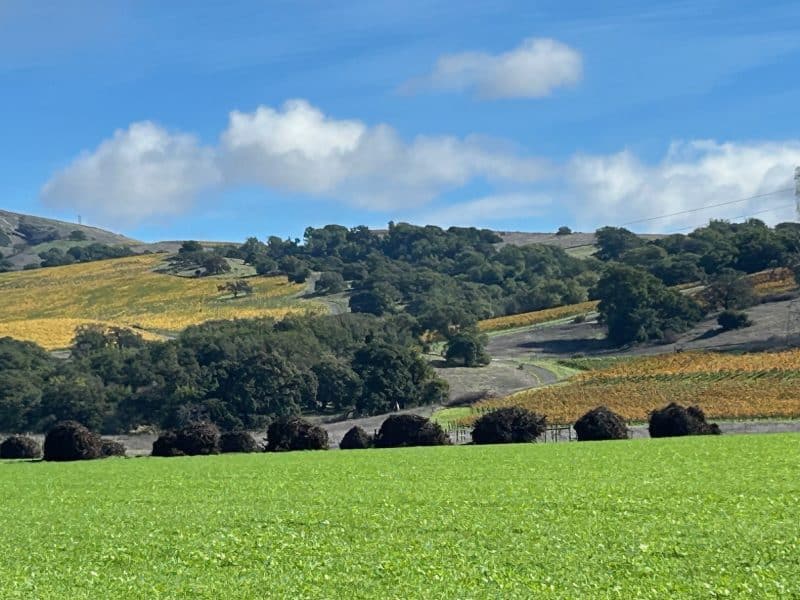
Beginning Jan. 1, winegrowers will be able to host wine tastings for up to 49 people in vineyards without wine production facilities.
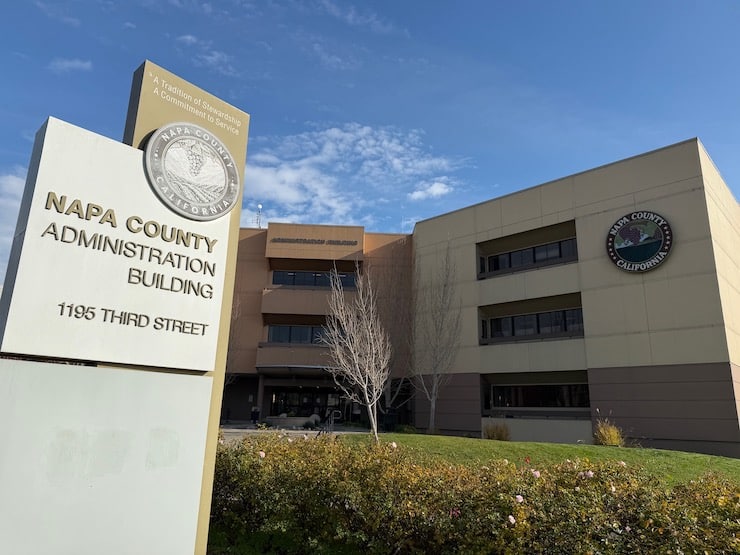
The Napa County Board of Supervisors on Dec. 16 unanimously approved the pilot program to implement a new state law that becomes effective Jan. 1. The pilot program ends July 1, 2027, unless it is renewed.
Assembly Bill 720, a bill by Assemblyman Chris Rogers, D-Santa Rosa, was signed into law in October with strong support from the wine industry, including Wine Institute, the California wine trade association. The new law allows a licensed winegrower to apply to California’s Alcoholic Beverage Control for an estate tasting event permit to host visitors on vineyard properties without wineries.
Under the rules, wine producers can host up to 36 events a year and no more than one event per day. No wine tastings are permitted during red flag days because of the fire danger. The rules allow for up to 40 average daily trips to the property.
Winegrowers in Napa County also must obtain the green light from Napa County’s fire marshal. The annual review fee is $343.
To obtain permission from the fire marshal, owners must show an aerial map showing the property boundaries, a 14-foot wide emergency access routes, and event and parking areas.
County officials originally sought to limit tastings to 15 people and require property owners to provide a shuttle to and from their vineyards. These proposed rules whipped up a storm of protests from small producers, saying this plan was unworkable, when it was presented to the Board of Supervisors in November.
Fire Marshal Jason Downs made the new recommendations after reaching out to stakeholders and others.
Michelle Novi, counsel and senior director of industry relations, thanked county staff and the fire marshal for listening.
“This is so well thought out,” Michelle Benvenuto, executive director of Winegrowers of Napa County, told the supervisors.
Small wine producers have tried for years to get permission to host wine tastings in their vineyards as distribution channels dissipated.
Elise Nerlove, vice president of Save the Family Farms, an organization of winegrape growers who produce fewer than 5,000 gallons of wine a year, grows grapes in south Napa County and produces wine with her father, Ken, under the label Elkhorn Peak Cellars.
Nerlove spoke in support of the proposed new rules to implement AB 720. “This was the first time in my experience working on policy that someone asked how small business owners actually make decisions.”
She noted the proposal was “nearly identical” to the one Save the Family Farms sought in 2018. Save the Family Farms sought support for small vineyard owners who produced wine at custom crush facilities and wanted to serve wine to guests at their vineyards.
She said she was grateful to the state and Wine Institute for recognizing the “urgency of this issue” and for the new pilot program that “finally creates a viable path forward for small wine producers.”
Supervisor Liz Alessio, thanking the staff and the fire marshal for their work, added, “I think this is the best example of a win-win I’ve seen in local policy in a long time.”
The 49-person limit ensures the event remains below California Fire Code assembly thresholds and does not trigger Napa County’s temporary event requirements, according to a staff report.